Field Work
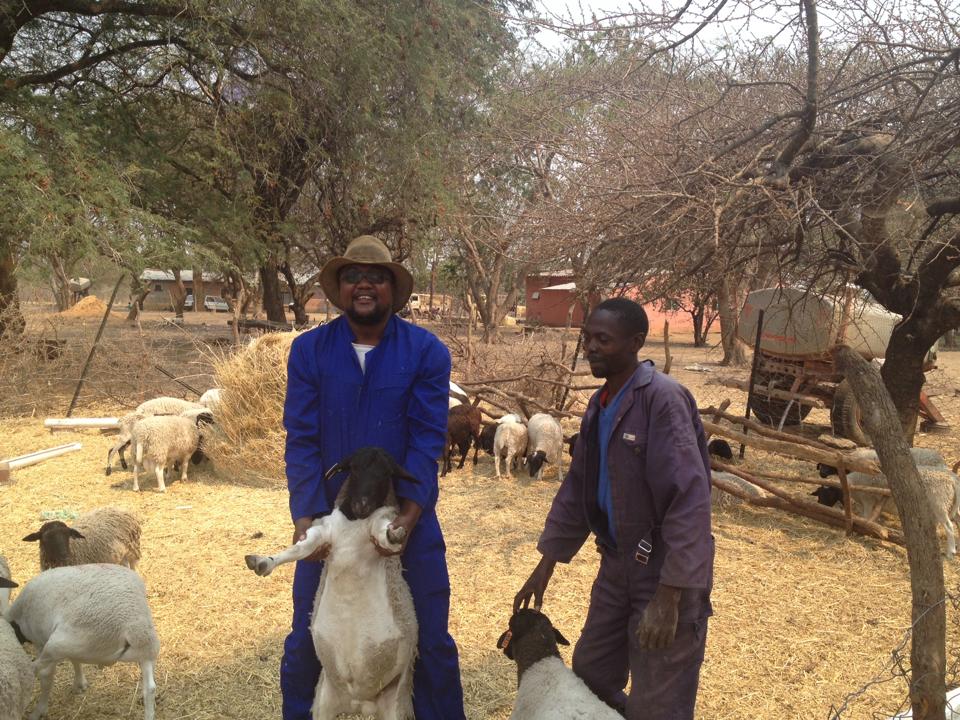
Zambia is not background context. It is the primary field where our products are tested, challenged, and refined. FildraAI was built from a close understanding of what farming looks like there, maize as a food security crop, smallholder realities, and decisions that cannot be wrong. Our field work tests whether tools built from that understanding actually hold up where agriculture happens.
Why it matters
Agricultural AI has to work outside controlled environments
Model accuracy is important, but it is not enough.
A system may perform well in training and still struggle in real field conditions. Agricultural work happens in changing light, uneven backgrounds, mixed crop conditions, variable devices, and environments where users are making decisions quickly and under pressure.
That is why field work matters. It helps us understand not only whether a system can produce an answer, but whether that answer is actually useful, understandable, and trustworthy in the moment it is needed.
"Agricultural intelligence should be tested where agriculture happens, not only where software is built."
Why Zambia
Why Zambia is part of our validation process
Zambia is not only part of our data story. It is part of our product validation story.
In addition to using field images related to real crop conditions, we work with people in Zambia who test our tools in actual field settings. Their role is not simply to try the app. Their feedback helps us understand how the system behaves under real agricultural conditions and whether it matches the needs of actual users.
This matters because field conditions reveal problems that controlled software testing often misses. No lab environment can fully replicate what happens when someone is standing in a field with a worn phone, poor light, and a decision to make before the afternoon rain.
- Unclear symptom photos from real phones in real light
- Practical workflow friction under field pressure
- Difficulty interpreting model results without context
- Questions users ask differently from what developers expect
- The gap between technically correct and locally useful guidance
Nyawa Farms, sheep, Zambia
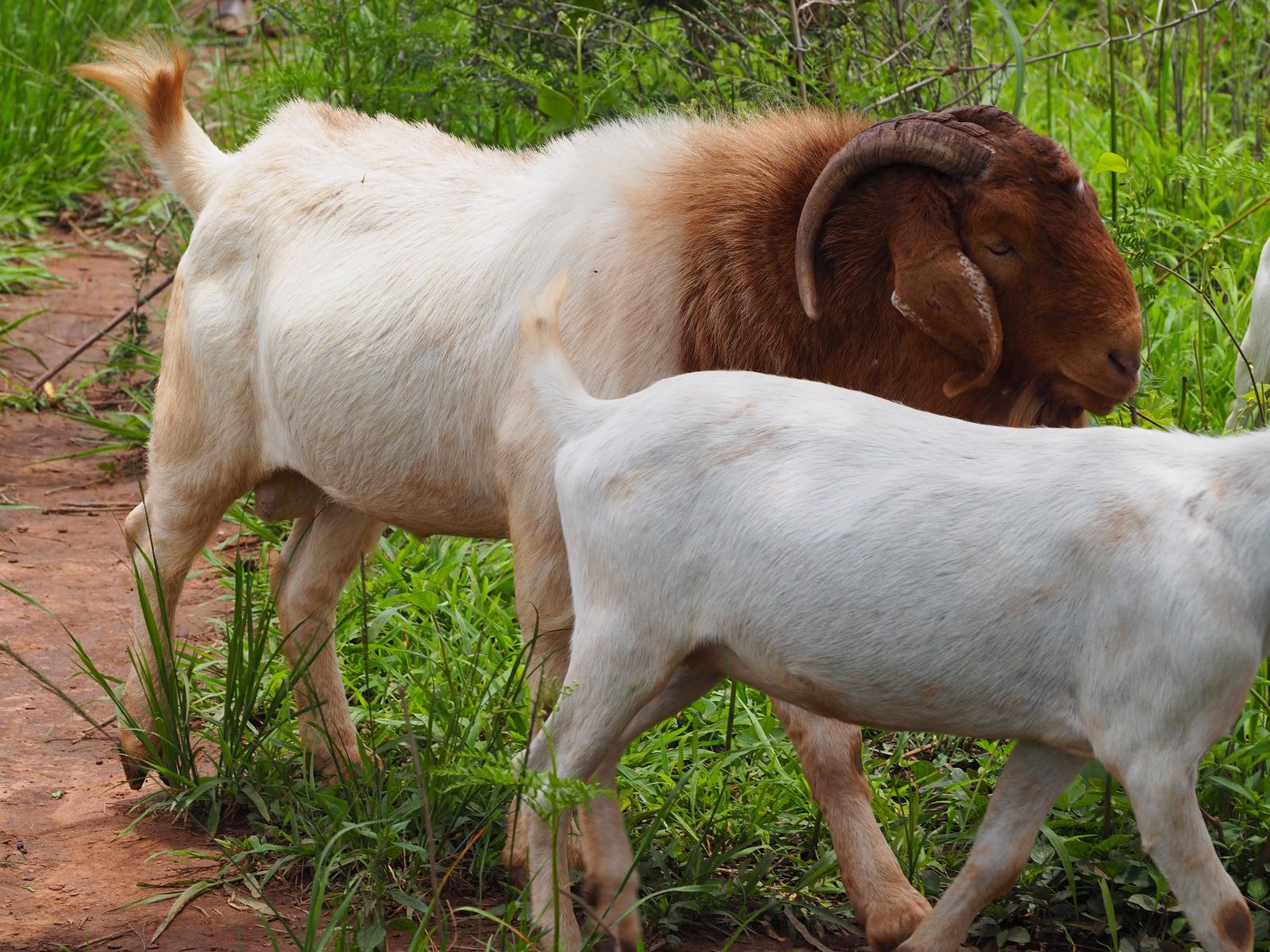
Goat herding, field conditions
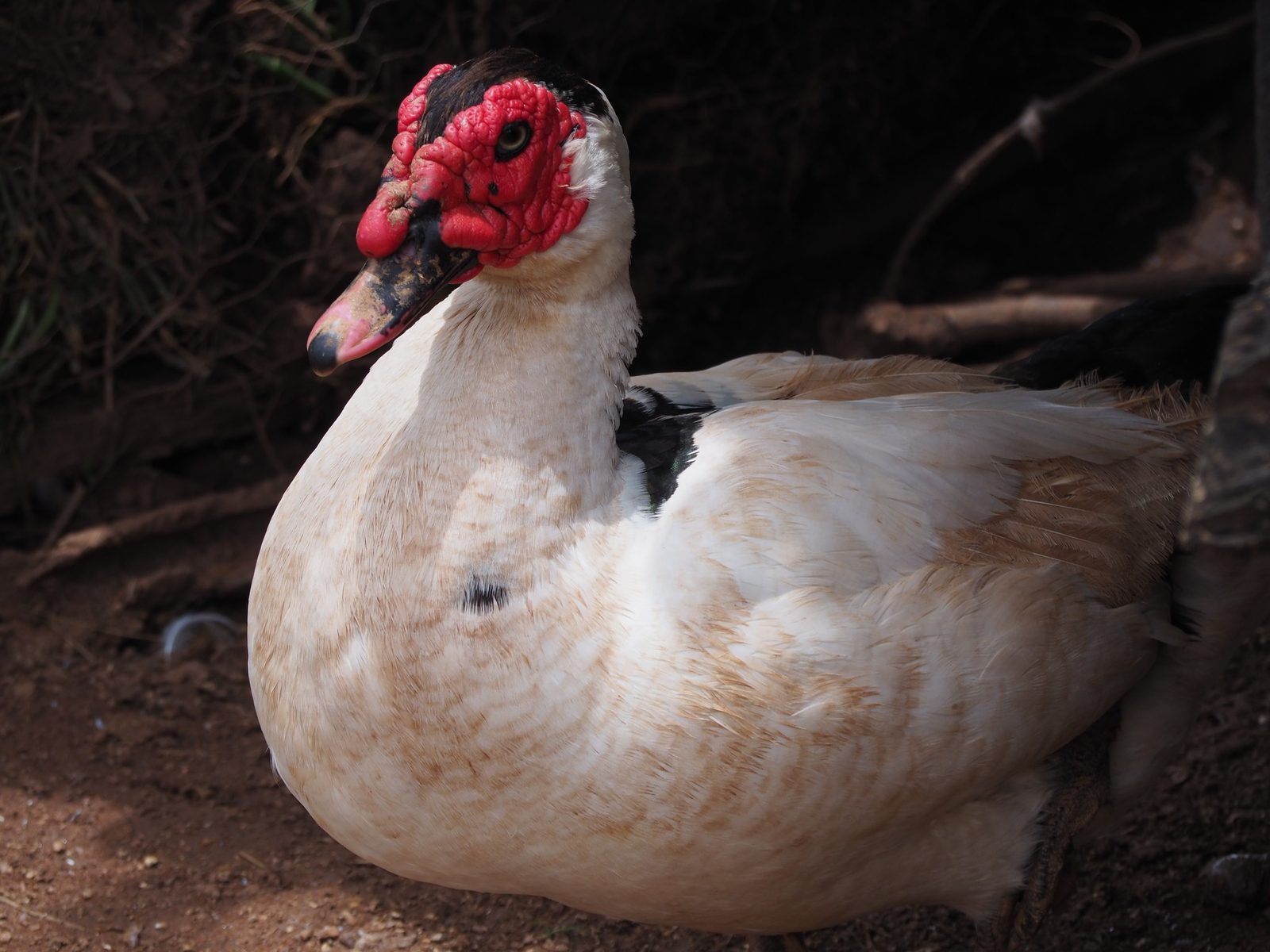
Ducks, smallholder livestock
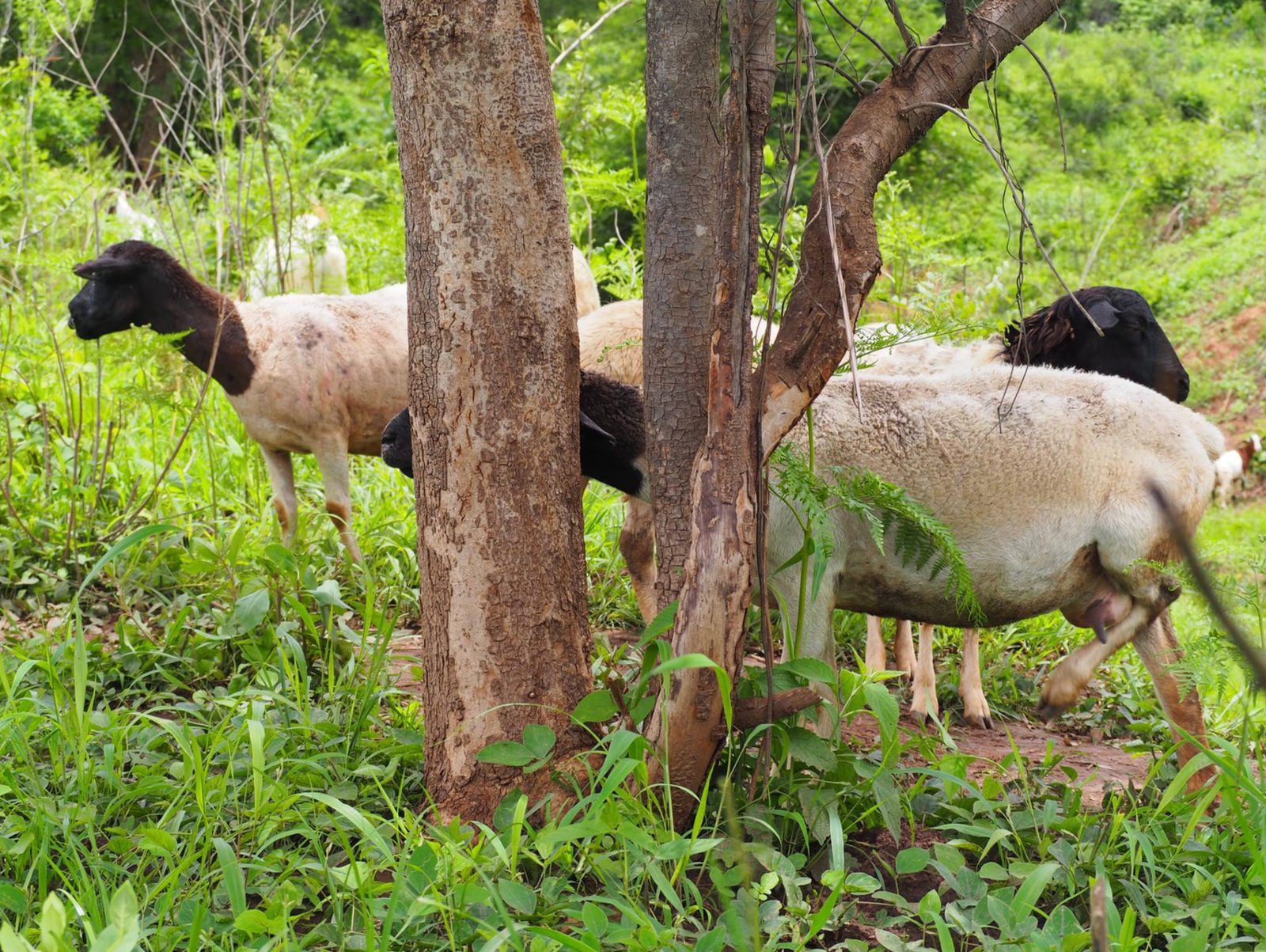
Sheep, field visit
From the field
Field footage from Zambia
Short clips captured during field visits, showing the real conditions our systems are tested in.
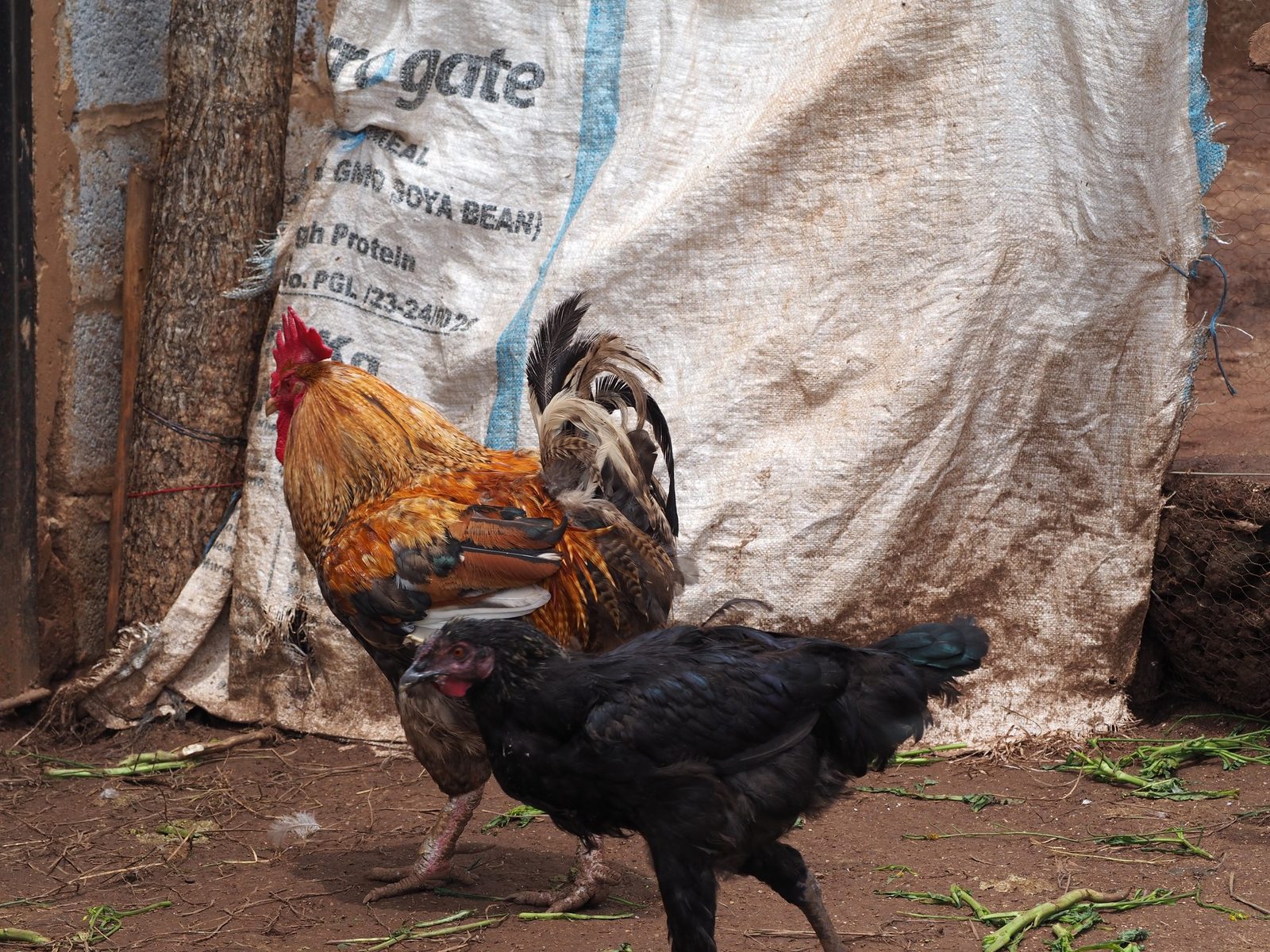
Chickens, field conditions
Sheep, Nyawa Farms
Sheep grazing, field visit
Field client, system walkthrough
What we test
What field testing helps us evaluate
Our field work is not limited to checking whether a prediction appears correct. It helps us evaluate the full practical experience of using agricultural intelligence where people actually work.
Image realism
We examine how well our vision systems perform when images come from real phones, real users, and real crop conditions, not idealised samples collected under controlled conditions.
Usability under field conditions
We look at whether the system is easy to use when people are outdoors, moving, working quickly, or dealing with limited connectivity and low battery.
Clarity of outputs
We assess whether model results, confidence levels, and explanations make sense to the people using them, including those without a technical background.
Trust and interpretation
We study where users understand what the system is telling them, where they hesitate, and where they need more explanation or stronger guardrails before acting on advice.
Workflow fit
We evaluate whether the system fits how agricultural work is actually done, rather than forcing users into a software-first interaction pattern that does not match field reality.
Local relevance
We use field feedback to understand whether the guidance feels grounded in the reality of the region, not just technically correct in general terms, but practically useful here.
Beyond training
Training data and field validation are not the same thing
Using field images for model training is important, but it is only one part of the work. A system can be technically strong and still fail in practice if it is not validated under the conditions where people actually use it.
What training does
- Teaches models to recognise patterns in labelled images
- Builds accuracy against known benchmarks and test sets
- Optimises model performance against a defined dataset
- Produces a model that can generalise from what it has seen
What field validation answers
- Does the model still behave well in real use?
- Are users taking the kinds of photos the model needs?
- Are outputs understandable without a technical background?
- Do recommendations feel practical in the local environment?
- Does the system help users decide what to do next?
How feedback improves the platform
Field work improves more than image diagnosis
Field feedback strengthens multiple parts of our platform. Each product area benefits differently from what we learn when systems meet real agricultural conditions.
Image capture and visual explanation
Helps us improve image quality expectations, how predictions are displayed, and how AI focus area explanations are presented to users who are not computer vision specialists.
Advisory guidance and language
Shows us whether guidance is practical and understandable, and whether it matches how users actually ask questions, rather than how developers expect them to ask.
Contextual reasoning and decisions
Helps us understand which contextual signals matter most in real decisions, and where generic answers break down and local specificity is required.
Voice interaction and speech patterns
Reveals how users prefer to interact when typing is inconvenient in the field, and which words, phrases, and languages they naturally use when describing crop problems.
Knowledge gaps and local detail
Shows where our knowledge is strong, where local detail is missing, and where clearer limits are needed between what the system knows and what it does not.
Trust calibration across the platform
Field users tell us where they trust the system, where they do not, and where they need the system to be more explicit about its own uncertainty and limits.
Field-first development
Reality reveals what controlled testing cannot
Controlled testing is useful because it helps isolate problems. But agriculture does not happen in controlled conditions. Real field work introduces complexity that no benchmark can fully simulate. This is exactly why field work is necessary, it forces the system to meet reality.
Our approach
A field-first development approach
We believe agricultural AI should be shaped by both technical rigour and real-world use. This approach may be slower than launching from the lab alone, but it builds something stronger: a system that is more likely to be useful where it actually matters.
Train on relevant field images
Use data from real farms, real conditions, and real crop diversity, not only curated or controlled-environment images.
Validate in actual field conditions
Put systems in the hands of real users in real agricultural settings and measure what actually happens, not what we expect to happen.
Learn from real users and testers
Treat feedback from farmers and field staff as data. Their experience is evidence that benchmarks and accuracy metrics cannot provide.
Improve through practical feedback
Use what field work reveals to update models, refine guidance, and close the gap between technical performance and useful field outputs.
Resist overclaiming
Do not claim performance or reliability that has not been demonstrated in field conditions. Honesty about limitations is part of the methodology.
Make validation continuous
Field validation is not a final step after development. It is part of development itself, running alongside model work, not only after it concludes.
Closing principle
Built with the field in mind
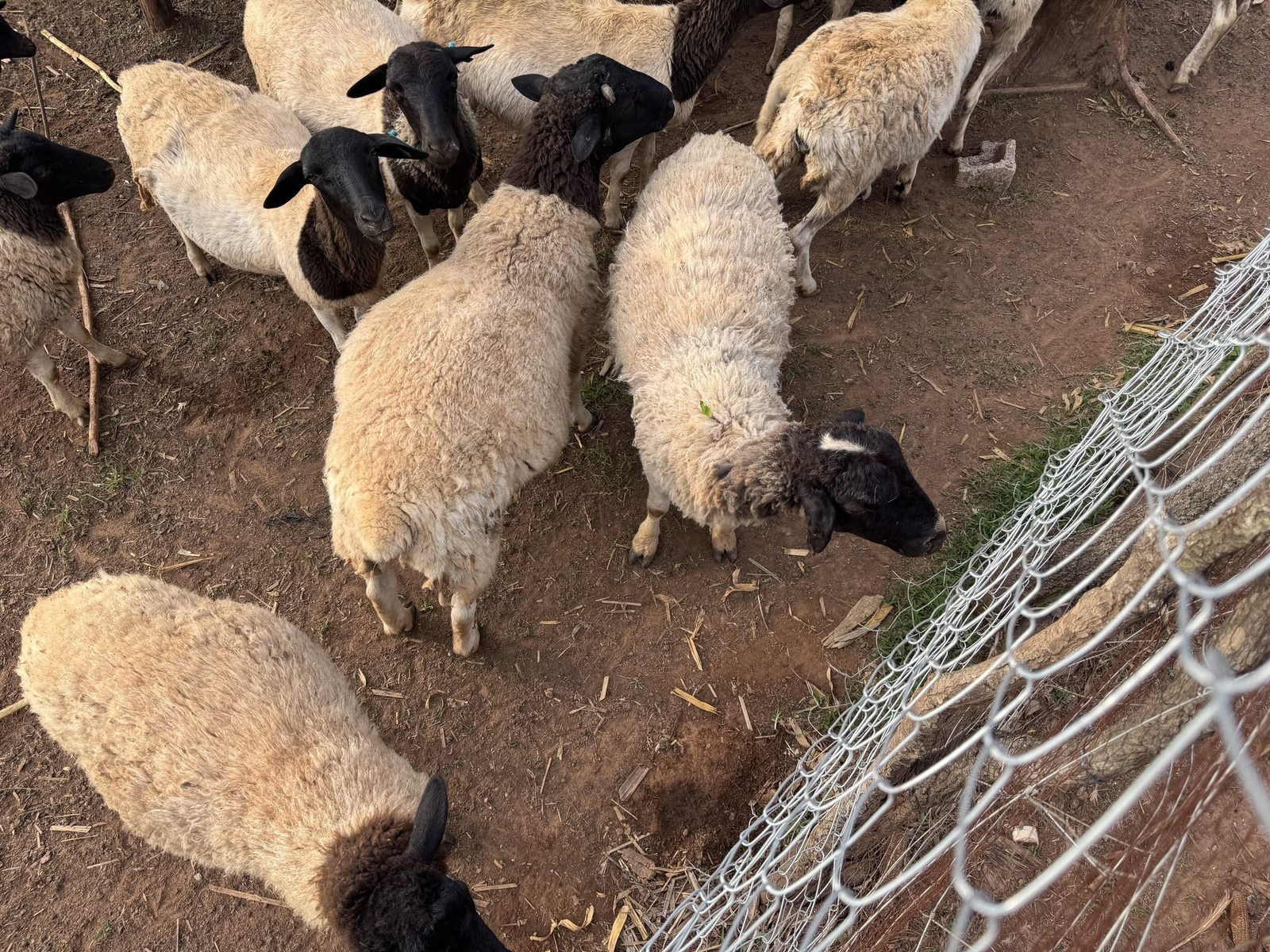
Our field work in Zambia reflects a broader commitment across FildraAI.
To build agricultural intelligence that is not only technically impressive, but practically reliable in the environments it is meant to serve.
For us, field validation is not a final step after development. It is part of development itself, shaping what we build, how we build it, and how we know when something is ready.
"Agricultural AI should be shaped in the field, not only in the lab. Field work in Zambia is how we hold ourselves to that standard."
Interested in Field Collaboration?
We welcome partnerships with farmers, cooperatives, research institutions, and agribusinesses. If you have fields, data, or agronomy expertise to share in Zambia or beyond, we are open to discussing how to work together on agricultural intelligence grounded in real conditions.